
Series: The Mind-Body Connection - The Gut-Brain Connection

Your second brain holds secrets to your mental health and sleep.
Meet Your Second Brain
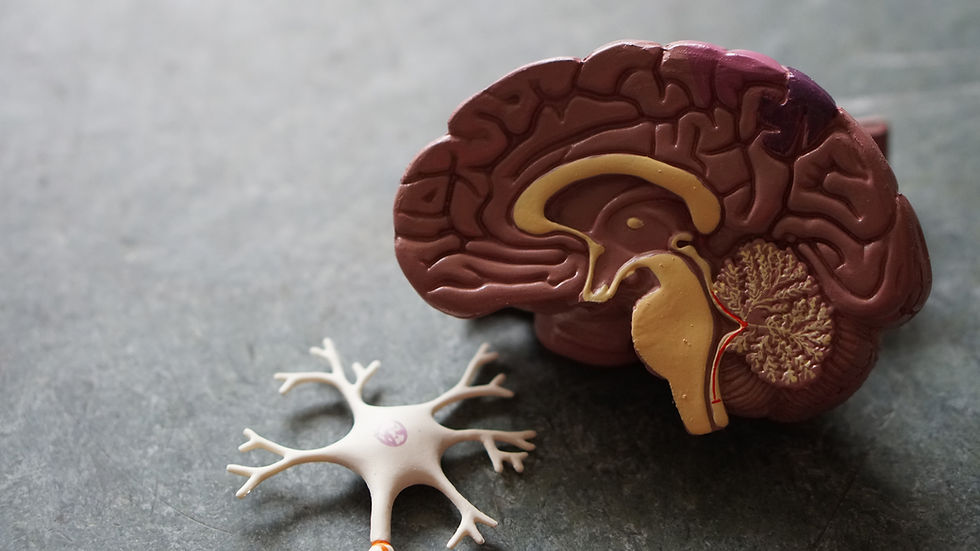
Most of us were never taught that the gut and the brain are in constant, dynamic conversation. The enteric nervous system, a complex network of over 500 million neurons lining the gastrointestinal tract, is so sophisticated that scientists now call it the “second brain.” This gut-brain axis is a bidirectional communication superhighway, and what happens in your gut doesn’t stay in your gut.
The Microbiome and Mental Health
Your gut is home to trillions of microorganisms, bacteria, fungi, viruses, and more, collectively called the gut microbiome. This ecosystem plays a central role in regulating mood, stress response, inflammation, and even the quality of your sleep.
• Serotonin production: Approximately 90–95% of the body’s serotonin, the neurotransmitter central to mood, anxiety regulation, and sleep, is produced in the gut. A disrupted microbiome directly compromises serotonin synthesis.
• GABA production: Certain gut bacteria produce GABA, the brain’s primary calming neurotransmitter. Low GABA is strongly associated with anxiety and insomnia.
• Tryptophan metabolism: The gut microbiome governs how tryptophan is metabolized. Tryptophan is the precursor to both serotonin and melatonin, meaning gut dysfunction directly impairs both mood regulation and sleep.
• Inflammation and the brain: A disrupted microbiome leads to “leaky gut,” where inflammatory particles enter the bloodstream and can cross the blood-brain barrier. Neuroinflammation is now recognized as a key driver of depression, anxiety, and cognitive dysfunction.
The Gut-Sleep Connection
The relationship between gut health and sleep is increasingly recognized as a critical piece of the wellness puzzle:
• Melatonin, often called the sleep hormone, is actually produced in the gut in amounts far greater than those produced by the brain’s pineal gland. Gut health directly influences melatonin availability and circadian rhythm regulation.
• Gut bacteria help regulate the body’s internal clock. Studies have shown that disrupting the microbiome can desynchronize circadian rhythms, contributing to insomnia and poor sleep quality.
• The short-chain fatty acids produced by beneficial gut bacteria have been shown to promote deeper, more restorative sleep stages.
• Conversely, poor sleep itself negatively impacts the gut microbiome, reducing microbial diversity after just two days of sleep disruption.
What Disrupts the Gut Microbiome?
Many factors in modern life create a hostile environment for beneficial gut bacteria:
• Highly processed diets high in refined sugars, artificial additives, and low in fiber (the SAD - Standard American Diet)
• Overuse of antibiotics (which can wipe out beneficial bacteria and encourage yeast to grow)
• Chronic stress (which alters gut motility and microbial composition)
• Alcohol and smoking
• Sedentary lifestyle
• Irregular sleep schedules
The modern lifestyle is, in many ways, a perfect storm for gut dysfunction, and that dysfunction ripples outward into our mood, our sleep, and our mental health.
Signs Your Gut May Be Struggling
Beyond digestive complaints, a compromised gut microbiome can manifest as chronic fatigue, brain fog, heightened anxiety, low mood, disrupted sleep, food sensitivities, frequent illness, and skin issues like eczema or acne. The gut’s fingerprints are everywhere, once you know where to look.
What Can Help
The encouraging news is that the gut microbiome is highly responsive to lifestyle changes. Dietary improvements, probiotics and prebiotics, stress reduction, and better sleep can all meaningfully shift the microbial balance within weeks. We’ll give you a concrete action plan in our next and final post.
⚠ IF YOU ARE IN CRISIS
If you or someone you know is experiencing suicidal thoughts, please reach out immediately. You are not alone, and help is available 24/7.
National Suicide & Crisis Lifeline: Call or Text 988
Crisis Text Line: Text HOME to 741741
Please also reach out to a qualified mental health provider, your primary care physician, or go to your nearest emergency room. Asking for help is a sign of strength.
➡ Up Next: Post 5 — Steps to Take Right Now: Your Practical Plan for Better Mental Health, Sleep & Gut Health


Comments